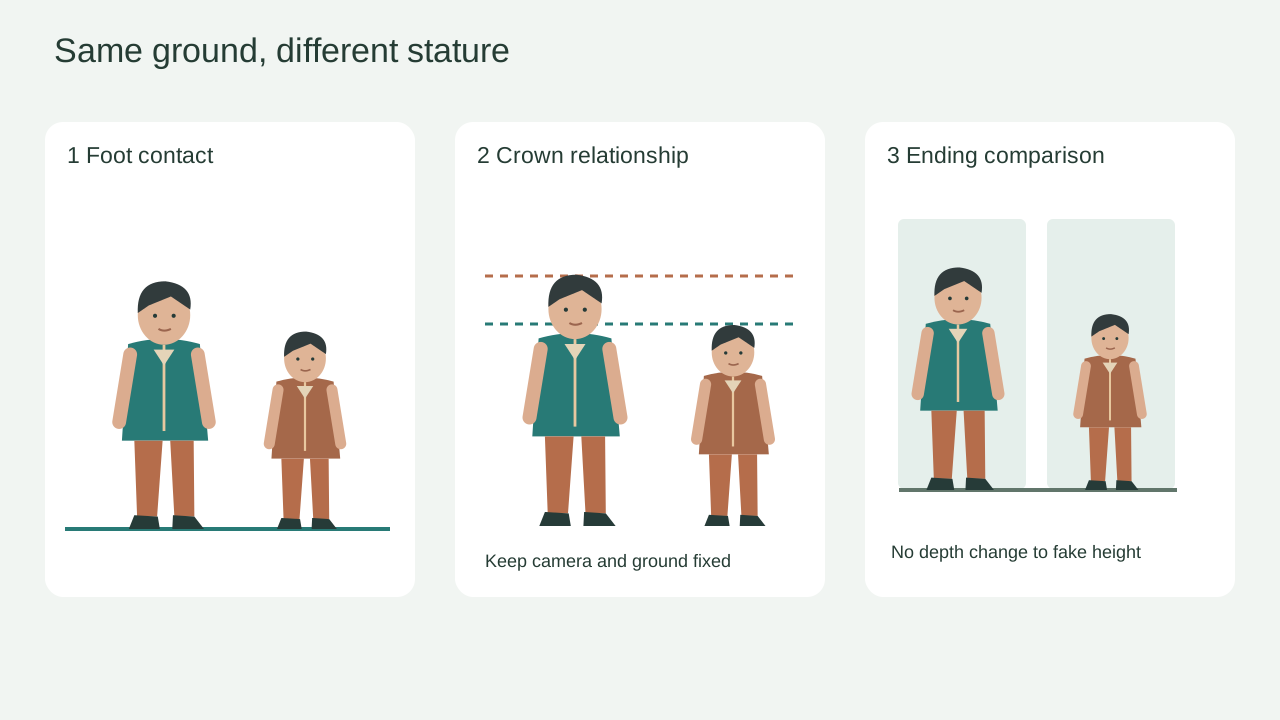
The shorter adult becomes taller mid-wave
Keep the action and input; strengthen only the planted-foot and unchanged-proportion sentence, then compare the same hand-raised interval.
Task template
Keep the left adult visibly taller than the right adult through a small wave, without using depth changes, shoes or body stretching to alter their relationship. This is a visual planning exercise, not a height measurement.
Includes original practice inputs and a review checklist. This prompt has not been independently tested with the generation model.
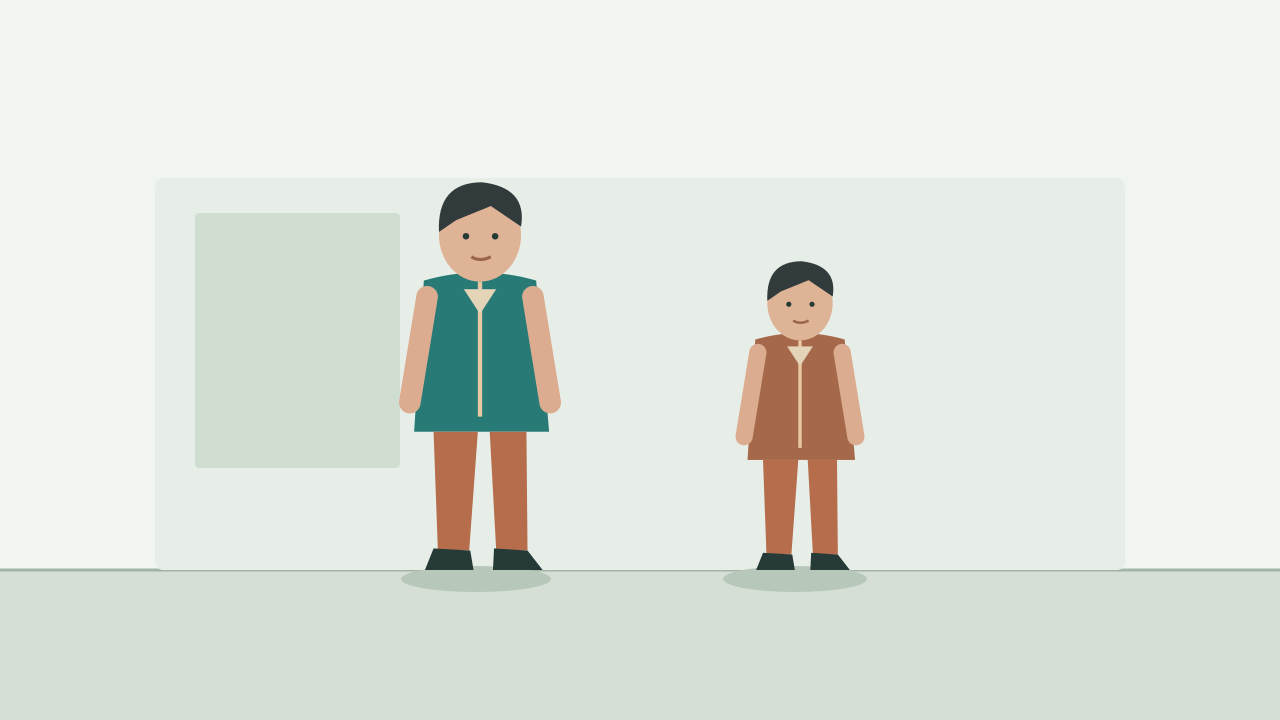
Download the input image below and upload it manually in the generator; the button carries the prompt.
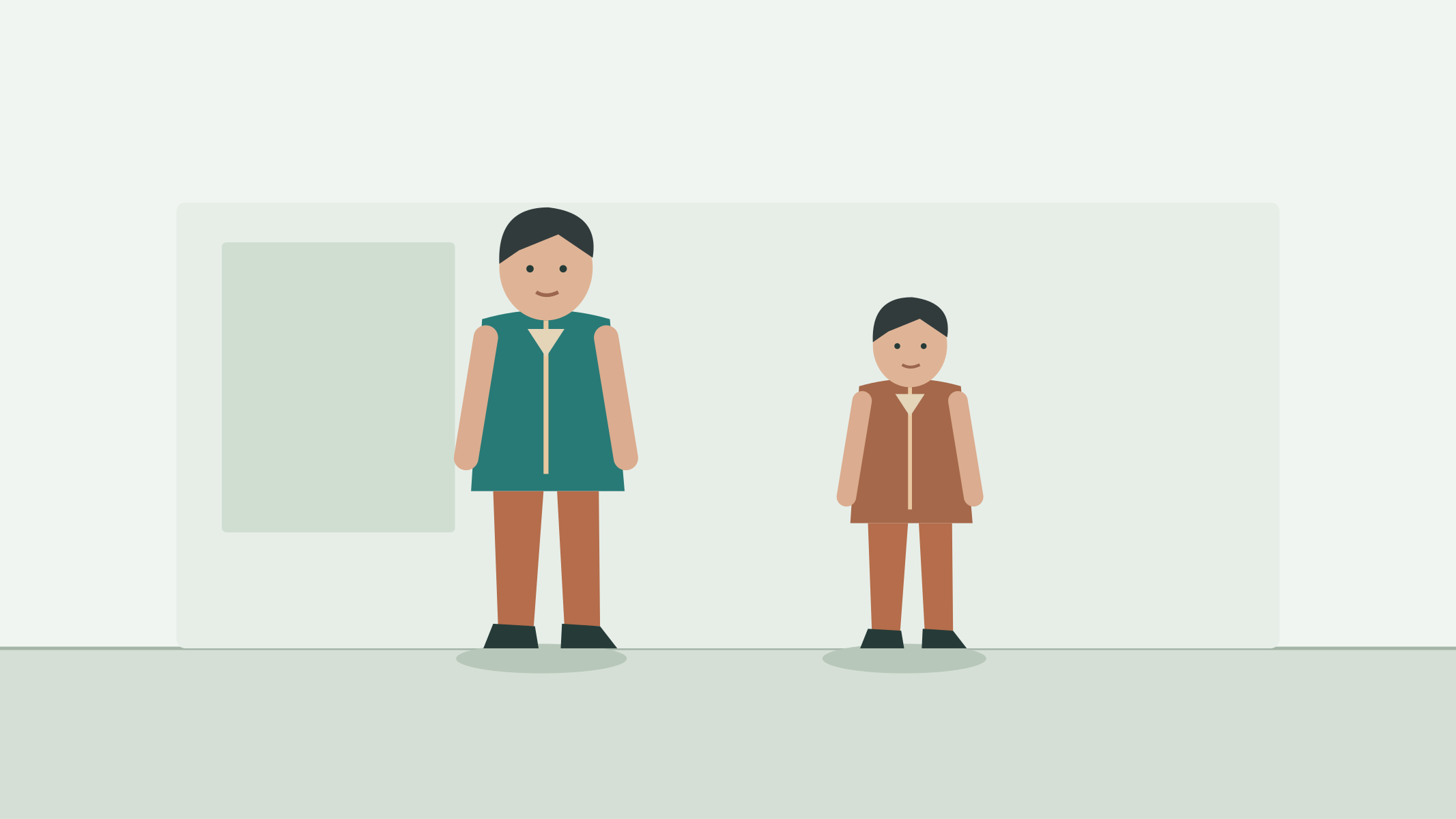
Use the uploaded image as the opening composition. Two fictional adults stand side by side on the same level floor: the teal-coat adult on frame left is visibly taller than the rust-coat adult on frame right. Keep both at the same depth with both feet planted and both full bodies visible. Each raises one hand in a small greeting and lowers it. Keep head size, leg length, clothing and the difference in crown height consistent. The camera stays fixed. End with both hands down and both adults standing at their original positions.
Before writing motion, compare the two sole-contact lines. Note which crown is higher and retain that relationship in the brief; do not invent a centimeter value from the illustration.
Choose the small greeting so each person can remain at the original depth. Reject a draft that also asks one adult to approach the camera, because apparent size would then have another cause.
Pause when both arms are highest. Compare crowns, shoulders, hems and planted feet; a growing torso can be hidden by the apparent energy of a wave.
Use the ending as a second checkpoint, then replay the middle. Record the first frame where either foot slides or stature order changes, and revise only that cause.
Keep the action and input; strengthen only the planted-foot and unchanged-proportion sentence, then compare the same hand-raised interval.
Replace only the greeting motion with a small wrist wave from the original standing position. Recheck sole positions before changing reference files.
Remove camera movement and keep the same shared floor visible. If the input itself has uncertain depth, replace that input rather than adding an unsupported numeric height.
Finish with the original standing arrangement. Save the crown-order and sole-contact observations alongside the draft; a visually plausible pair still does not establish either adult’s real-world height.