Task template
MiniMax H3 hand-clap prompt: touch once, then separate the palms
Use an original adult illustration to plan one visible clap. Follow the same two hands through approach, contact and separation without claiming audio or anatomical accuracy.
MiniMax-H3 · image-to-video · Original task method; generation has not been independently verified.
Start generating video →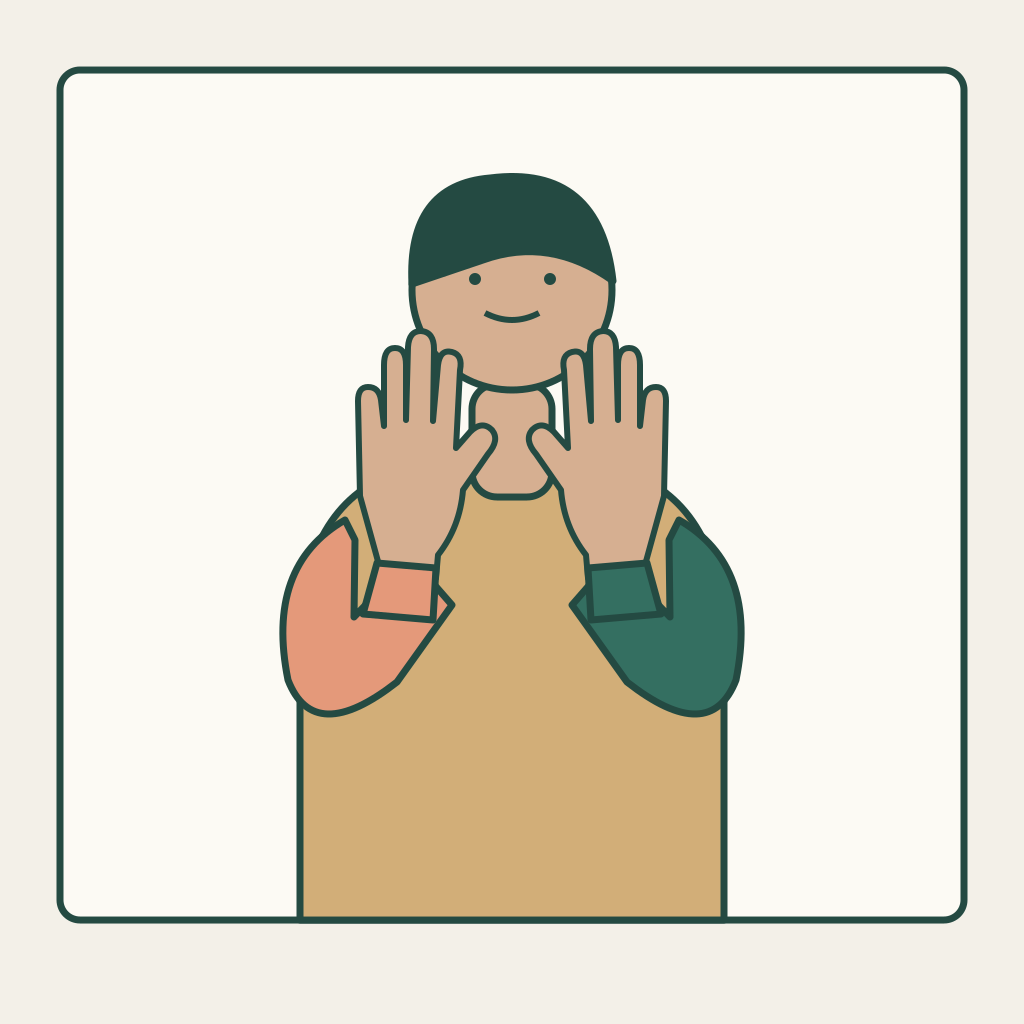
MiniMax H3 hand-clap prompt: touch once, then separate the palms
Describe one readable palm-contact cycle in a fixed view. The hands should approach, meet once and separate into a quiet ending, rather than fusing into one shape or continuing into an applause loop. No prop is exchanged and no audio synchronization is required.
Original practice input and untested method. No model generation, completed edit or output review has been performed.
Read the original input and define the outcome
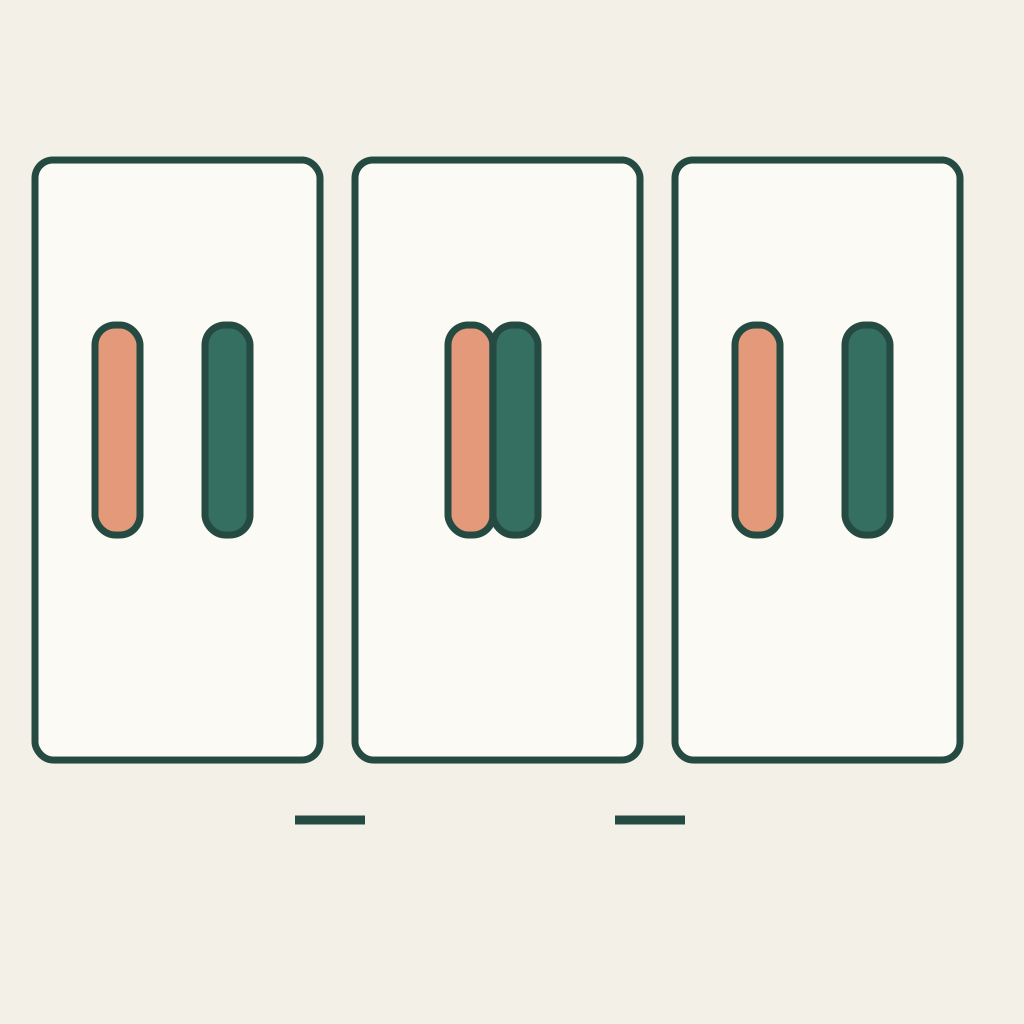
The original S01 illustration contains a fictional adult upper body, a coral sleeve on the left of the picture and a teal sleeve on the right. Both forearms and simplified hands are visible, with a clear opening between the raised hands. Their simplified palm areas face partly toward the viewer in this starting drawing; turn them gently toward one another before contact. The design is a geometric planning input, not a real performer or an anatomy reference. Keep the full hands in frame. The separate three-stage guide describes intended contact states; it does not supply footage or demonstrate that the model can perform the movement.
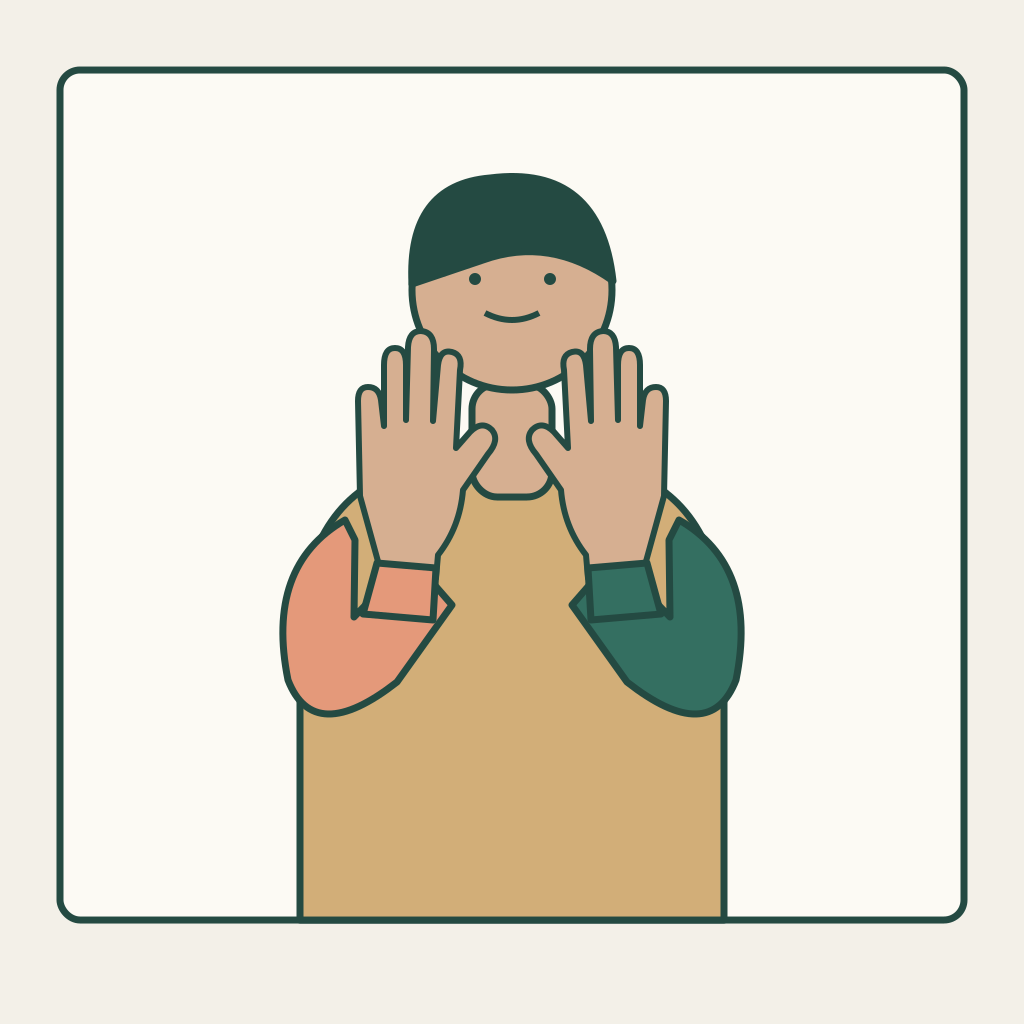
Authored review guide, not an output
Assign motion and preserve the named relationships
The sleeve colors help identify the same hands through the contact. Trace each wrist to its own forearm before judging the central action. The shoulder line and camera remain still, while wrists first orient the palms toward each other and elbows may adjust modestly as the hands approach. Contact is a visible meeting of the two palm boundaries, not permission for the wrists, fingers or arms to merge. The method makes no claim about force, sound, timing precision or the exact number of visible finger segments in a moving result.
Drawing landmarks and role definitions
Prepare the manual single-shot task
Create one manual base task with the clean S01 input, leaving Last Frame empty. Keep the action to a small palm-orientation adjustment, one approach, one contact and one separation. Do not add a wave, an object handoff, dialogue or rhythmic repetition to the same attempt. Before submitting, compare the full prompt with the illustration and confirm that the requested hands are already visible. After any future generation, keep the complete source clip. A cut from separated hands to a closed central shape cannot establish the intermediate contact that this exercise is intended to inspect.
Use MiniMax H3 Base image-to-video. In the documented controls, enable Add end frame to expose First Frame, upload only the current shot PNG there, and leave Last Frame empty. This does not use Fast, which requires paired frames. Recheck the actual controls and current credit estimate before manual submission. The download and draft button do not upload or pay for a generation. SVGs, the separate review guide and drawing-coordinate JSON stay local; they are not extra uploaded frames or special camera commands. No fixed duration, numeric lens control or exact ending is implied.
Download the complete practice kit
Use the complete original prompt
S01 — Separated palms before one clap (the only default draft)
Begin from this original fictional-adult illustration. Keep the camera and shoulder line steady. First turn the raised palms gently toward one another. Then the coral-sleeved hand on picture left and the teal-sleeved hand on picture right move inward until those palms meet once near the chest. Keep each wrist connected to its original forearm. After that single visible contact, separate the same palms into a small readable gap and hold. Allow modest elbow adjustment but no full torso turn. Do not exchange an object, grow an extra hand, merge the palms permanently, pass one hand through the other, cut, speak, wave or begin a second clap. This is a visual contact brief only, without a claim of synchronized clap sound or precise timing.This is one source shot. The default button carries only this prompt; the clean PNG must still be uploaded manually.
Inspect actual phases with the blank sheets
Watch the entire shot once, then pause before first contact, at the clearest contact and after the hands separate. Identify the coral-side wrist and teal-side wrist at each point. Record whether the middle is clear or uncertain rather than filling in hidden finger arrangements. Finally replay at normal speed to check that the cycle reads as a single clap. The acceptance table remains blank until actual footage exists. The target stages in the guide are questions to ask of a result, not pre-entered answers.
- A visible gap separates the same two hands; their palms turn toward one another before contact.
- The original palms meet once without producing a third hand or exchanging sleeve identity.
- The palm boundaries separate again; wrists and forearms remain connected to their original sides.
- The ending holds a small gap with no second clap, cut or whole-body turn replacing the action.
Blank acceptance sheet · Blank source-shot log
Change one failed relationship at a time
If the hands pass through one another, reduce only their travel and make the contact pause explicit. If the central shape remains fused, strengthen the final separation sentence without adding a second clap. If a new hand appears, reject that take; do not crop away the extra limb and call the full action correct. If the torso swivels to replace the arm motion, simplify the body role. If the input itself hides a wrist or palm edge, redraw or choose a clearer authorized source before adding further detailed motion instructions.
Keep the materials and state the limits
A possible retained take ends with the same two palms slightly separated, each connected to its original sleeve, and no second approach beginning. Keep the input, prompt and phase observations together. This package contains no generated performance, recorded clap sound or completed motion review.
Object placement checks releasing a prop onto a surface, and knit unfolding checks contact with fabric. Here there is no prop or fabric: the two hands themselves briefly meet and separate. The drawing and method do not establish anatomical accuracy, precise contact timing, hand-animation success or any medical, physical-training or sound-production result.
Related files
- nc04-S01-first-frame-png
- nc04-README-en-md
- nc04-README-zh-md
- nc04-RIGHTS-REVIEW-txt
- nc04-S01-first-frame-svg
- nc04-acceptance-blank-csv
- nc04-package-files-json
- nc04-practice-kit-zip
- nc04-prompt-S01-en-txt
- nc04-prompt-S01-zh-txt
- nc04-review-guide-svg
- nc04-scene-roles-json
- nc04-shot-log-blank-csv
- nc04-task-definition-json