Task template
MiniMax H3 ponytail follow-through prompt: the head stops before the tip
Use one original fictional-adult portrait to separate a moving hair attachment from a delayed ponytail tip. Includes a PNG and blank observations; the requested motion has not been generated or tested.
MiniMax-H3 · image-to-video · Original task method; generation has not been independently verified.
Start generating video →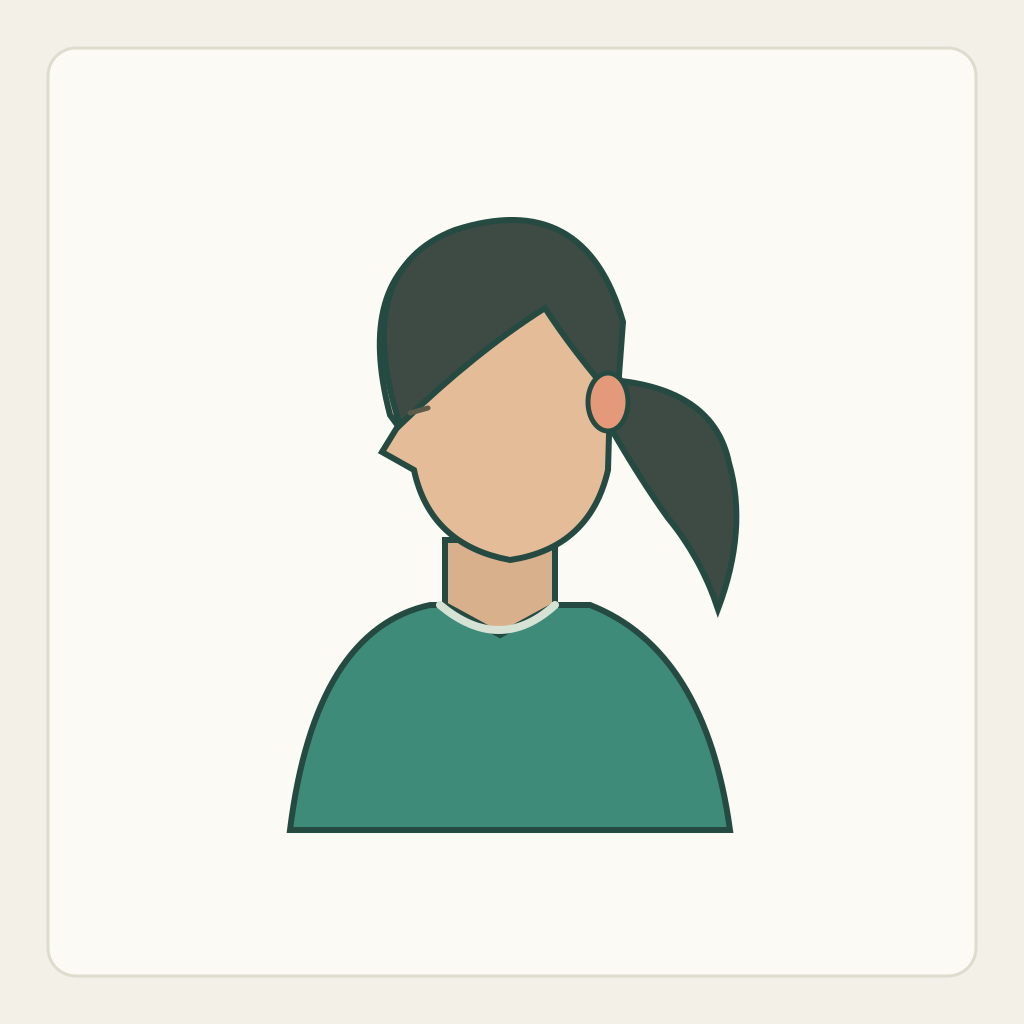
MiniMax H3 ponytail follow-through prompt: the head stops before the tip
Describe a small head turn followed by the settling of one attached ponytail. The useful observation is a difference in stopping order, rather than a claim that a model solves hair physics.
Original practice illustrations and an untested method. No H3 task has been submitted and no generated result is included.
Establish the authored starting state
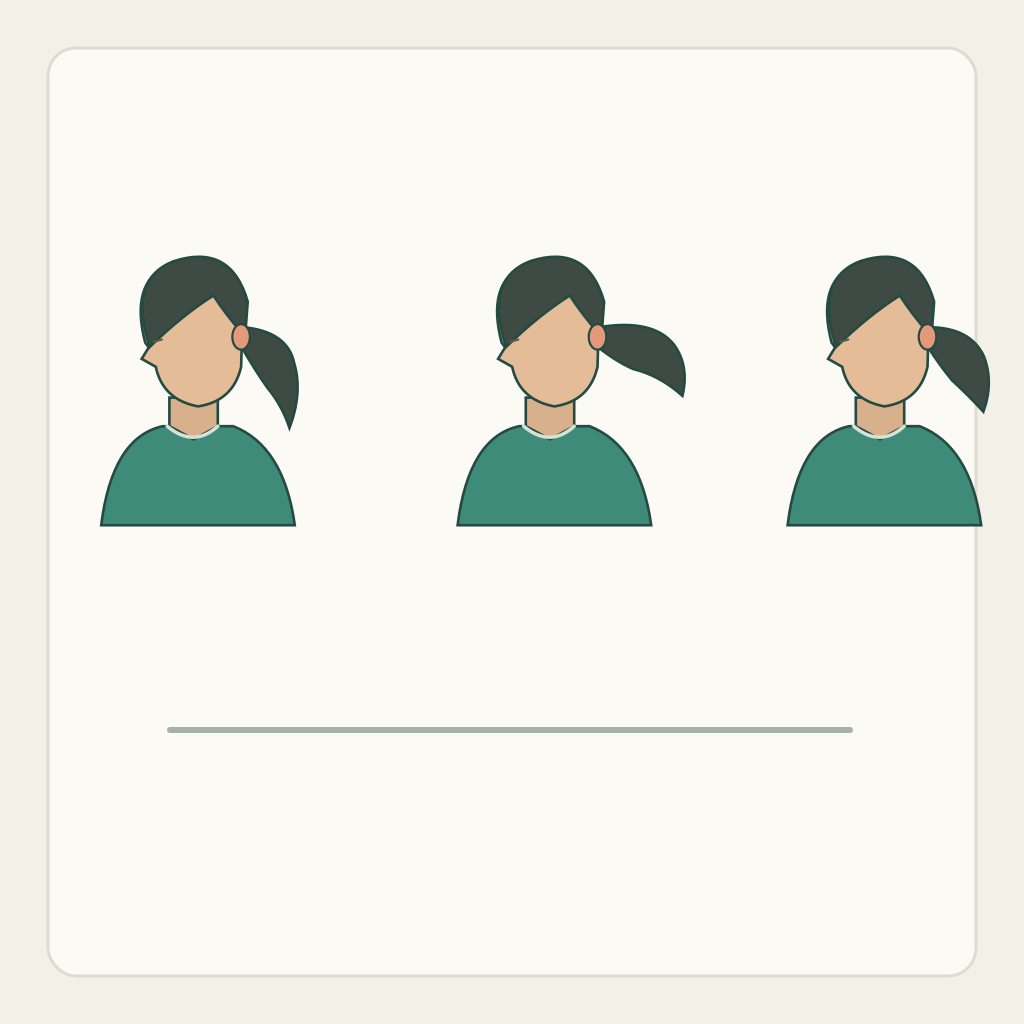
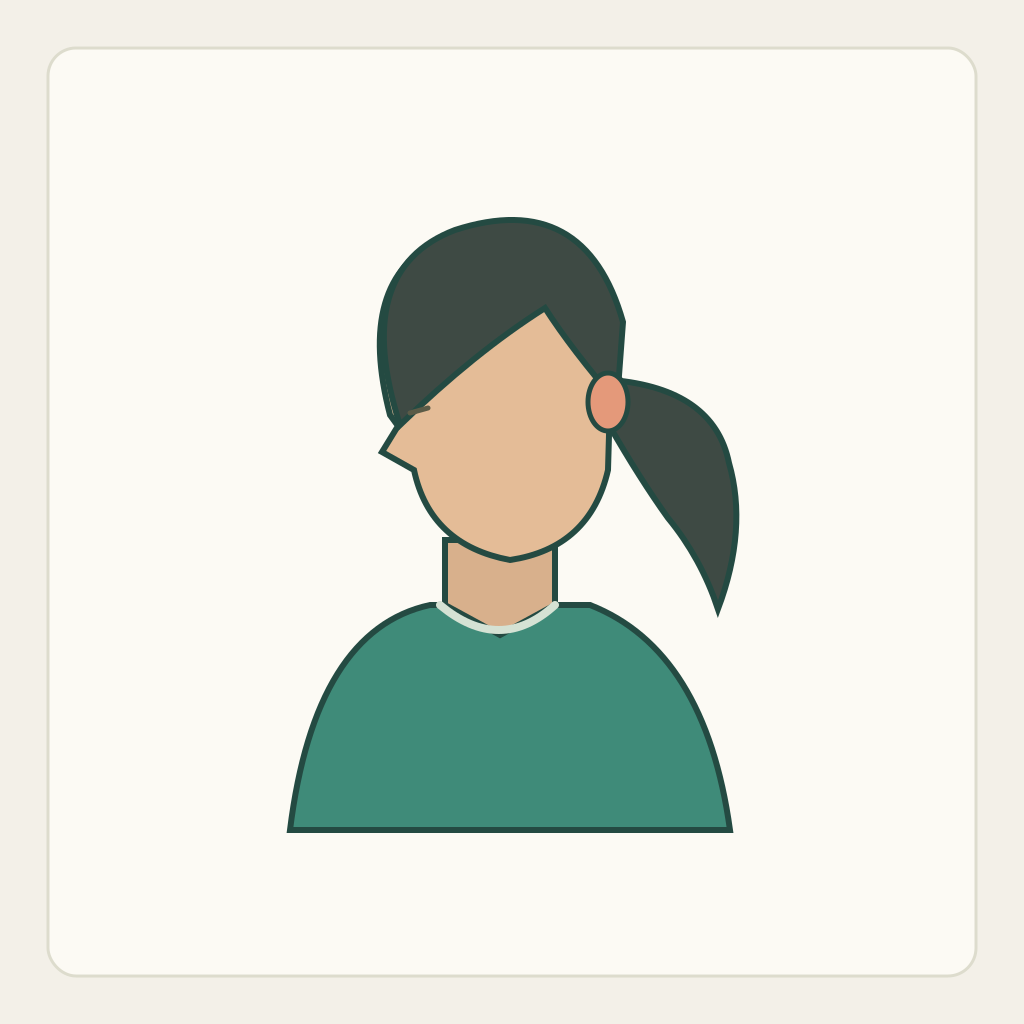
S01-first-frame.png shows a fictional adult in a rear-side portrait, with a short dark ponytail, a coral tie at the head attachment, a clear outer tip, a teal shoulder line and a pale collar. The whole tail is inside the frame. This is an original stylized illustration, not a photograph of a real person. The three small poses in review-guide.svg are authored phase suggestions, not generated frames or a supplied end frame.
Download the actual input PNG · Editable design SVG
Assign the moving and fixed roles
Follow three separate landmarks: the tie attached to the head, the ponytail tip, and the collar below. The tie belongs to the moving head; only the shoulders and camera stay fixed. Keeping the tie fixed to the canvas would contradict the requested turn.
- Inspect the coral tie and trace the same tail from root to tip before upload. If you replace the illustration, reveal the attachment and leave room beside the tip rather than hiding the hair behind a shoulder.
- Request one modest turn toward frame left and a head pause. Exclude wind, a torso swivel, repeated tossing and a camera orbit so a second cause cannot explain the trailing motion.
- After a future result exists, locate the interval where the head has stopped but the tip continues a little. Follow the tie during that interval: it must remain attached rather than sliding across the skull.
- Allow a small settling motion, then a quiet ending. Do not accept a repeated pendulum loop or a detached hair shape just because the final silhouette resembles the input.
Prepare one manual generation attempt
Use the current MiniMax H3 base image-to-video controls. Under the currently documented site workflow, enable Add end frame to expose First Frame, upload only S01-first-frame.png there and leave Last Frame empty. This draft does not use Fast, which needs a paired input. Recheck the actual available controls and credit estimate before any manual submission; these files neither upload themselves nor start generation. SVG files and the separate review guide stay local as design/review materials. No duration, resolution or endpoint capability is promised by this method.
Download the practice package · Blank observation sheet
Use the complete original draft
Start from the supplied original fictional-adult portrait with one short ponytail and a coral hair tie. Keep the camera, shoulder line and collar still. The head makes one small gentle turn toward frame left and then stops. The tie stays connected to the same point on the head and moves with it; do not pin the hair root to the background. The same single ponytail tip follows slightly later, continues a short distance after the head has paused, makes a small settling movement and comes to rest. Keep the entire root and tip visible. Preserve the adult, tie and one continuous tail without splitting the hair into another bundle or detaching it. Do not add wind, a body turn, speech, a hair flip or repeated oscillation. End with the head and the tip both quiet. This is a requested visual sequence, not a measured delay or a physical hair simulation.The copyable generator draft is the English version; the paired Chinese draft is included for review.
Inspect the actual result in sequence
Do not fill a pass from the input or from the intended ending. Enter observations only after examining actual result frames. The downloadable sheet has empty observation and result fields.
- The coral tie stays attached to the same head location while that location moves with the turn.
- Only one original ponytail remains, continuously connected from root to tip.
- A visible head-stopped interval precedes the final settling of the tip.
- The tip moves a little after the head pause without leaving the frame or detaching.
- Collar, shoulders and camera remain stable; no wind source or torso turn replaces the requested cause.
- The tail finally rests instead of repeating a swing or growing a second bundle.
Repair one failure without changing the task
- If the tie stays at its original screen point while the head moves, change only the root-assignment sentence: attach it to the head, not to the background.
- If the entire hair shape moves as a rigid sticker, change only the phase sentence to separate the head pause from the later tip movement. Do not increase the head turn at the same time.
- If the tip disappears behind the body, reduce only the requested turn or use a clearer source crop; an invisible tip cannot establish follow-through.
- If motion repeats indefinitely, strengthen only the settle-and-stop ending and review the complete ending interval.
Save the ending and choose the right next task
Keep observations of the opening attachment, the first head pause and the final tip rest. Leave timing cells blank until actual frames have been examined; a still ending alone cannot demonstrate delayed settling.
This exercise has no H3 result, measured delay, damping estimate or real-person hair assessment. A future generated clip still needs human review for identity, attachment and movement order.
The gaze-and-head task orders eyes before the head. Here the head moves a hair root, and a flexible endpoint stops later. A fixed-support curtain or cord task also does not establish this moving-root relationship.