Task template
MiniMax H3 cloth-draping prompt: settle one sheet over a fixed block
Plan a short drape over a visible block with an original cloth input. Follow the hem, corner and growing contact area instead of asking a folded garment to reveal itself.
MiniMax-H3 · image-to-video · Original task method; generation has not been independently verified.
Start generating video →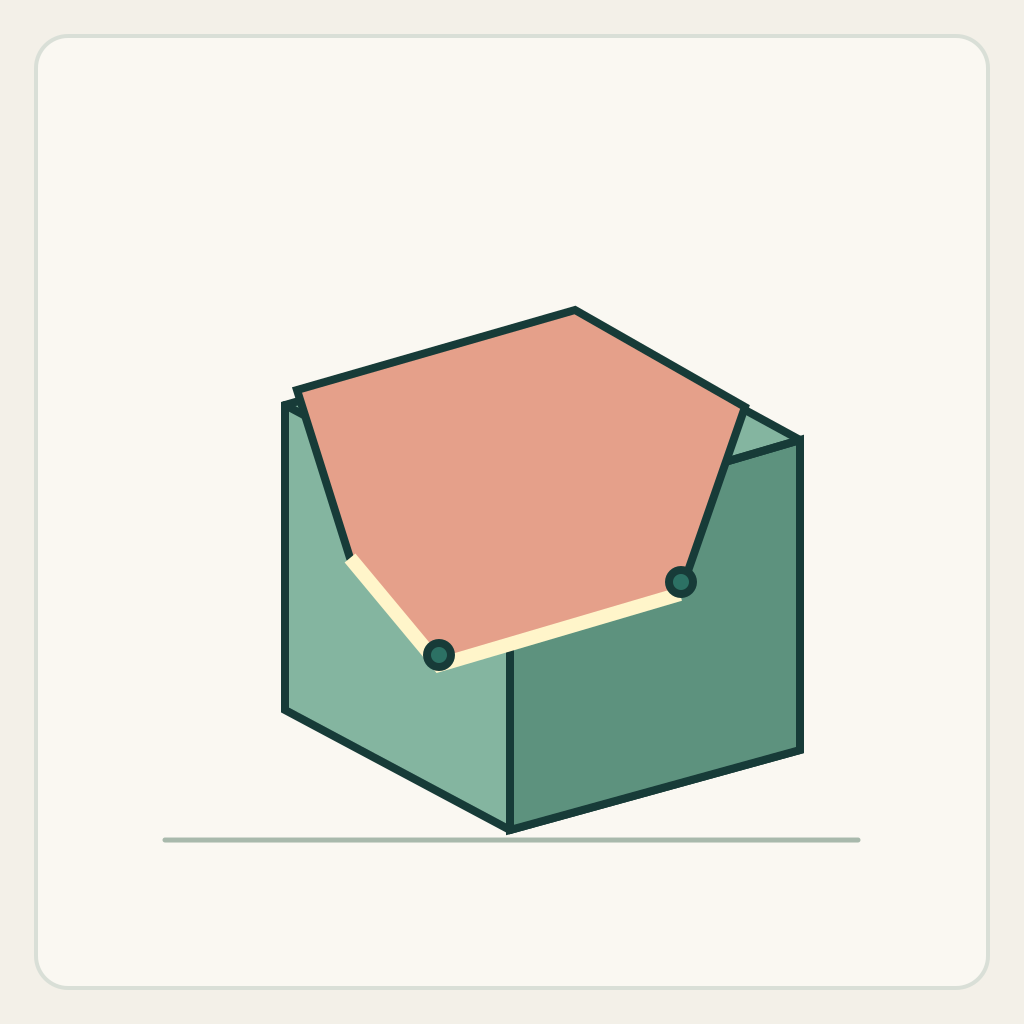
MiniMax H3 cloth-draping prompt: settle one sheet over a fixed block
Let a sheet already resting on the top of a block settle farther down its front side. Observe the changing contact and occlusion between one flexible sheet and one rigid support.
Original illustrated practice input; method not independently tested. No H3 generation or model output is supplied. A result, if you later generate one, still needs the checks below.
!Original illustrated practice input, not a model result
Read the starting input
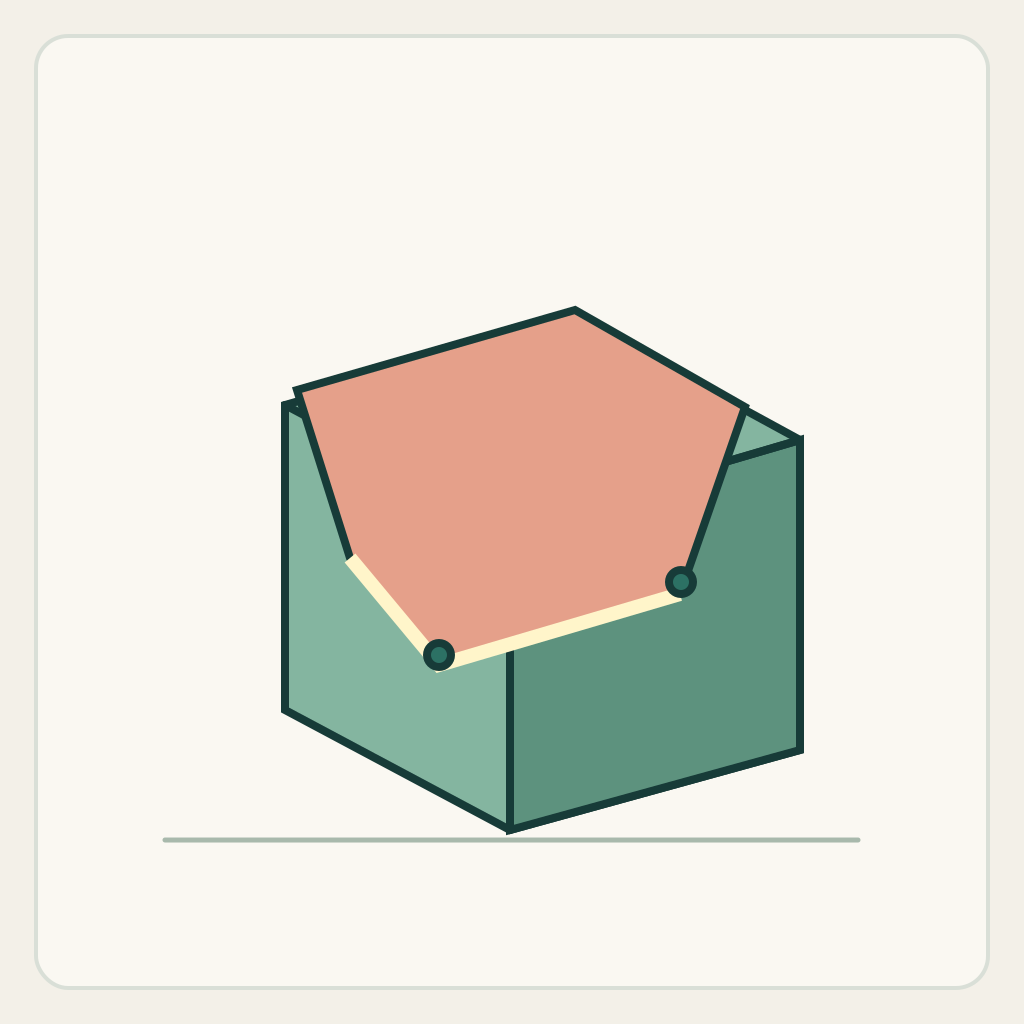
The illustration shows a teal rectangular block on a floor. A coral sheet is supported on its top and a short front flap already hangs over the upper edge. A pale hem and two corner dots make the same sheet traceable.
Fix the block's base and side edge. Track the two cloth corner dots and hem; keep enough of the block visible to distinguish cloth coverage from the block changing shape.
Set up the current generator
Select MiniMax H3 base in image-to-video. Enable Add end frame so the current interface exposes the First Frame slot. Upload only first-frame.png to First Frame and leave Last Frame empty. This is not the Fast workflow: Fast requires both frames. Select a duration and ratio actually offered by the interface; these notes promise no exact motion timing. Opening a generator does not submit a task. The SVG is a design/inspection source, not an upload instruction.
Download practice kit · PNG first frame · Blank acceptance sheet
Copy the original prompt
Use the original illustrated first frame, fixed front-oblique view. Keep the teal block and floor still. The single coral sheet already resting on top settles a little farther over the front upper edge. Its front hem descends and the cloth bends along the same support edge, gradually covering a little more of the front face. Keep the rear portion supported on top and both corner dots on the same continuous cloth. No unfolding garment, fabric growth, floating sheet, new block or camera move. Stop with a longer front drape and part of the block still visible, then hold.Work through one attempt
- Locate the support edge and the already hanging flap. Use this initial contact rather than a cloth floating high above the block, which would add a different drop-and-collision task.
- Request a short settling motion with the back portion remaining supported. Do not combine a complete cover, removal and refolding in the same shot.
- Compare the hem and the exposed block face at the start, midpoint and end. The newly covered area should be explained by the descending sheet, not a shrinking block.
Inspect the result
Record an observation for each item in the blank sheet. The sheet starts with empty results: none is a pre-existing pass.
- The block's base, height and visible side edge remain fixed.
- The front hem descends from the existing support edge without creating extra fabric.
- Corner dots remain on one continuous sheet and the rear portion stays supported.
- The ending shows more front coverage while part of the original block remains visible.
Change one failure at a time
- Cloth becomes a new garment: remove reveal and clothing terms; name the single sheet.
- Block changes shape: anchor the base and side edge and shorten the drape.
- Sheet floats away: keep the back part in contact with the top surface.
Ending, limits and related tasks
The same sheet hangs farther down the original fixed block, with an attached hem and some front face still exposed.
This is visible contact and occlusion planning, not a cloth solver, gravity measurement or textile-material test.
The knit-unfold task opens a folded corner held by hands. Here an already supported single sheet changes its drape over a rigid obstacle, with growing coverage and no garment reveal. Wind-blown curtains remain attached at a window; their periodic local motion is a different acceptance target.