Task template
MiniMax H3 sponge-compression prompt: deform once, then recover
Use two visible pads and an original sponge input to plan one compression-and-release cycle. Check continuous boundaries and recovery rather than scaling the whole image.
MiniMax-H3 · image-to-video · Original task method; generation has not been independently verified.
Start generating video →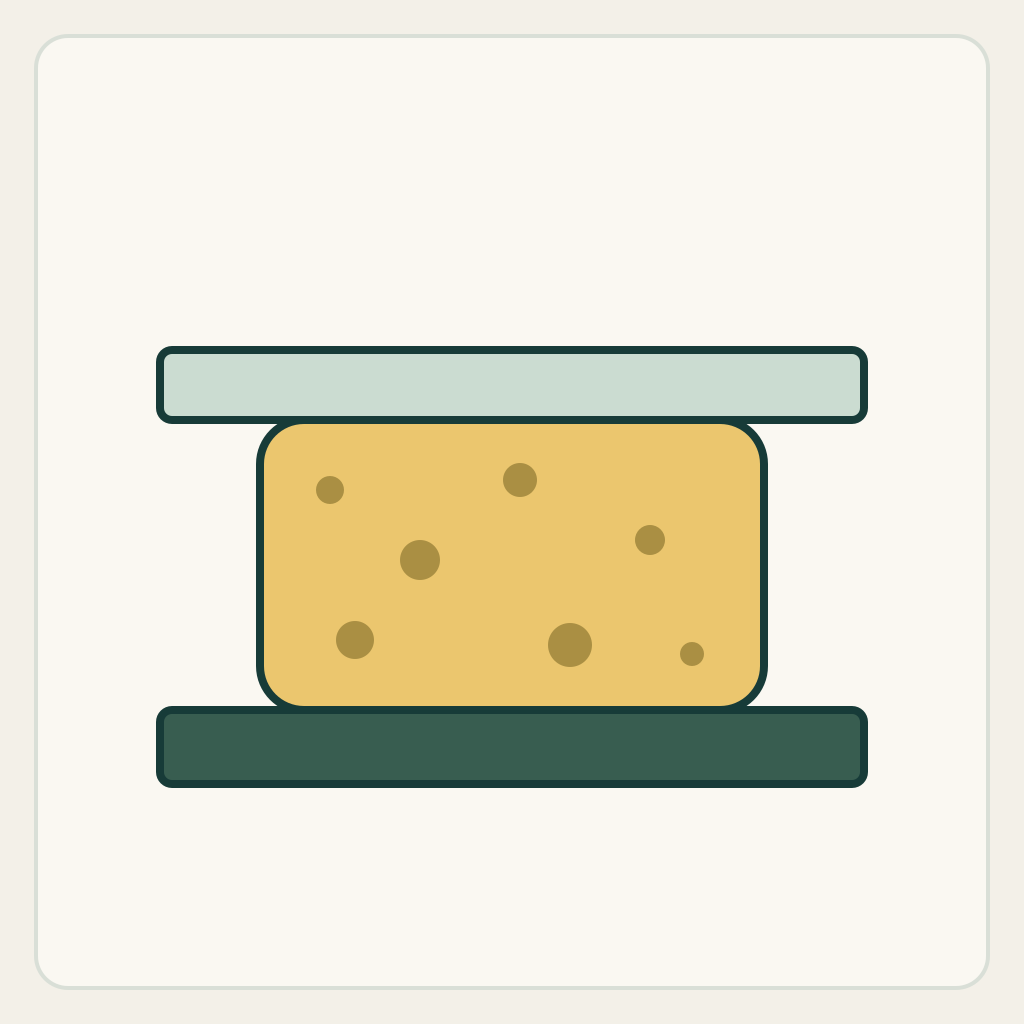
MiniMax H3 sponge-compression prompt: deform once, then recover
Compress a soft rectangular sponge between two simple pads and release it once. Observe reversible deformation of one connected object while its support remains fixed.
Original illustrated practice input; method not independently tested. No H3 generation or model output is supplied. A result, if you later generate one, still needs the checks below.
!Original illustrated practice input, not a model result
Read the starting input
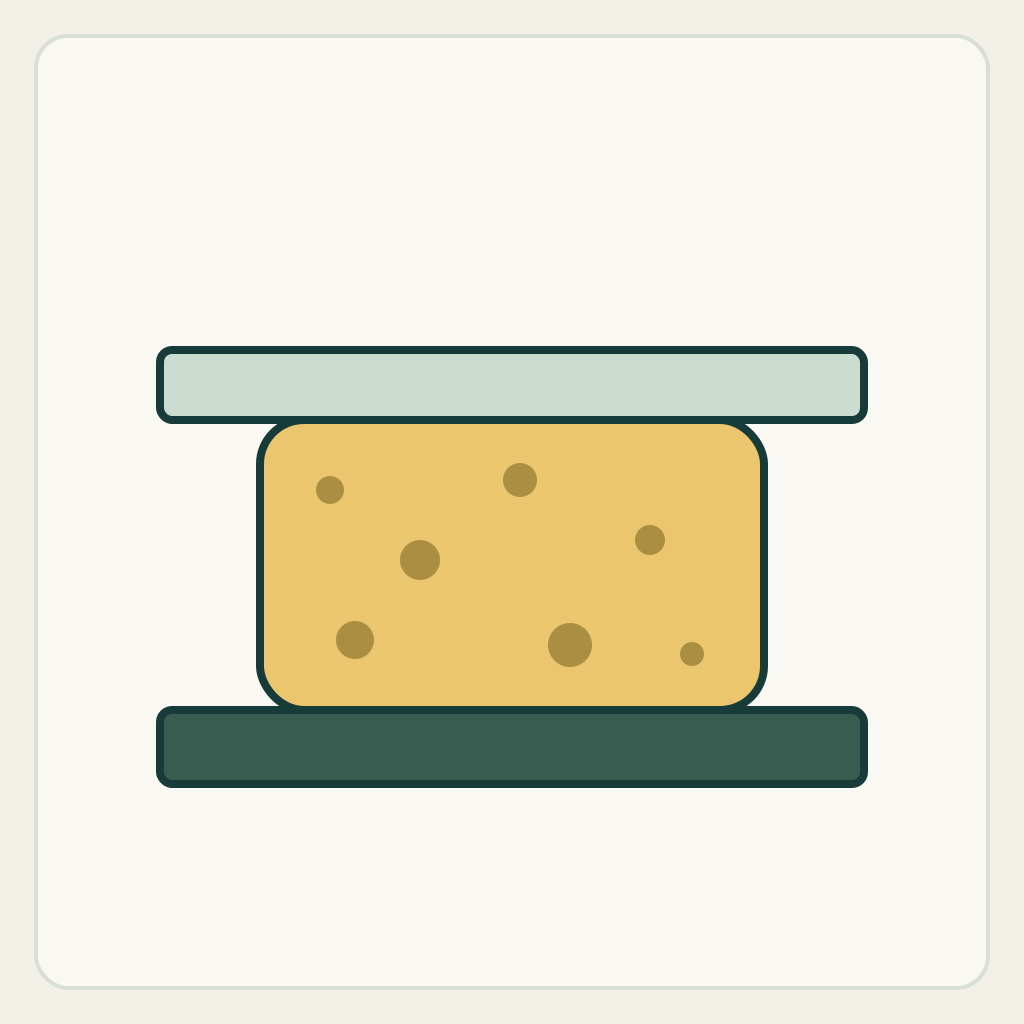
The drawing contains a rounded yellow sponge on a dark lower pad, with a light upper pad just touching it. Several dark pore dots identify the same surface. No fingers, branded product or measured material response is represented.
Keep the lower pad fixed. Track the sponge's top boundary, side bulge and pore marks; the whole frame and the pads must not shrink together.
Set up the current generator
Select MiniMax H3 base in image-to-video. Enable Add end frame so the current interface exposes the First Frame slot. Upload only first-frame.png to First Frame and leave Last Frame empty. This is not the Fast workflow: Fast requires both frames. Select a duration and ratio actually offered by the interface; these notes promise no exact motion timing. Opening a generator does not submit a task. The SVG is a design/inspection source, not an upload instruction.
Download practice kit · PNG first frame · Blank acceptance sheet
Copy the original prompt
Begin at the supplied illustrated first frame. Fixed side camera and fixed lower pad. The upper pad moves slowly down a short distance, compressing the single yellow sponge so it becomes shorter and slightly wider while staying one connected piece. The dark pore marks stay on its surface. The upper pad then returns to its starting height and the sponge gently regains approximately its original outline. No crushing into fragments, liquid, replacement sponge or camera zoom. End after this one compression-and-release cycle and hold the recovered form.Work through one attempt
- Confirm that the upper pad is already touching the sponge. Starting with a large gap adds an impact that this exercise does not need.
- Keep the compression modest. A deep crush makes shape recovery harder to inspect and can turn a simple deformation into an unrelated breakage effect.
- Compare the outline and pore arrangement before compression, at the lowest pad position and after release. Approximate recovery is a visual criterion, not proof of an elastic material law.
Inspect the result
Record an observation for each item in the blank sheet. The sheet starts with empty results: none is a pre-existing pass.
- The lower pad and background remain stationary throughout.
- Only the upper pad advances while the sponge shortens and widens as one connected shape.
- Pore marks remain attached to the deforming sponge instead of drifting as a flat overlay.
- The upper pad returns and the same sponge approximately recovers without duplication.
Change one failure at a time
- Everything gets smaller: remove zoom language and name the fixed lower pad.
- Sponge breaks or liquefies: reduce compression and request a connected soft shape.
- A new sponge replaces it: ask for continuous recovery of the existing outline and marks.
Ending, limits and related tasks
The upper pad has returned, and one connected sponge rests on the fixed lower pad with an outline close to its starting shape.
The drawing does not establish force, compression ratio, density or a measured recovery time. No H3 material-performance test has been run.
The knit-unfold page changes a fold and hand contact, while the one-joint lamp rotates a rigid part. This exercise changes the outline of one soft volume and returns it.