A second adult emerges from the column
Change only the count-and-continuity sentence to one continuous adult; compare the earliest reappearing shoulder rather than accepting a plausible ending.
Task template
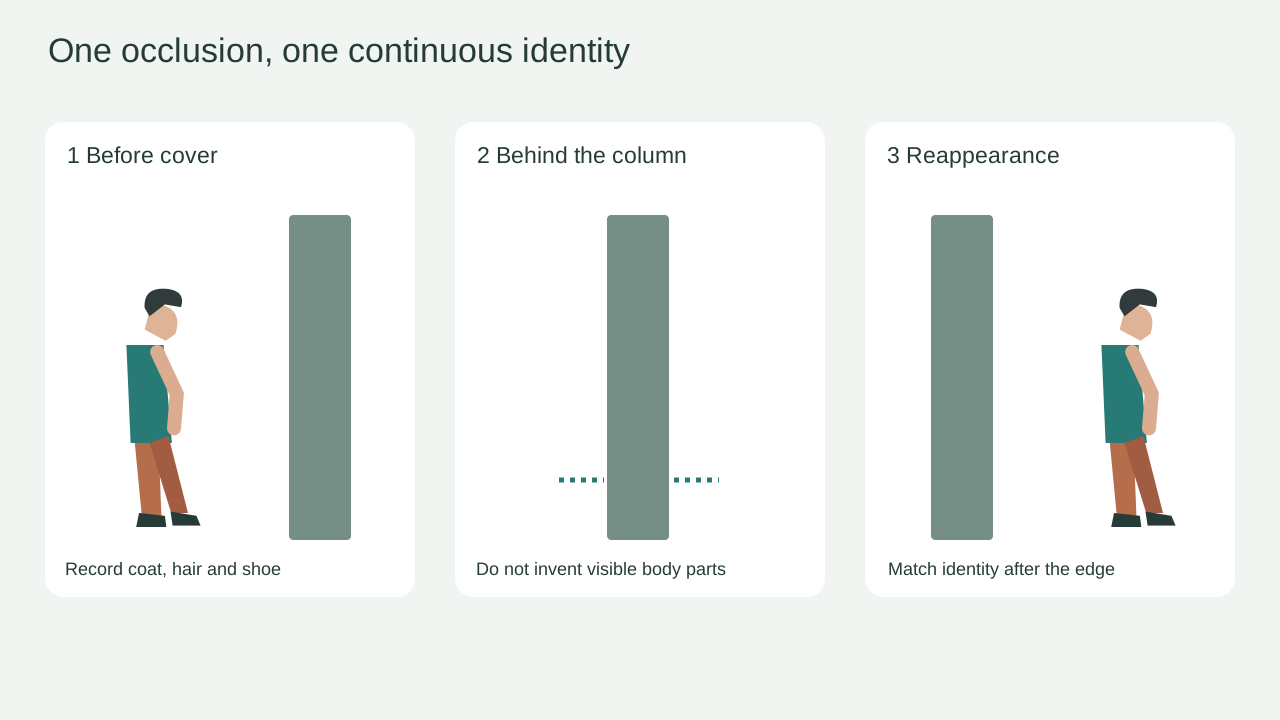
Let one fictional adult walk once from frame left to frame right behind a foreground column, then reappear as the same adult. Hidden body details are unknown during cover; the exercise checks continuity at visible edges.
Includes original practice inputs and a review checklist. This prompt has not been independently tested with the generation model.
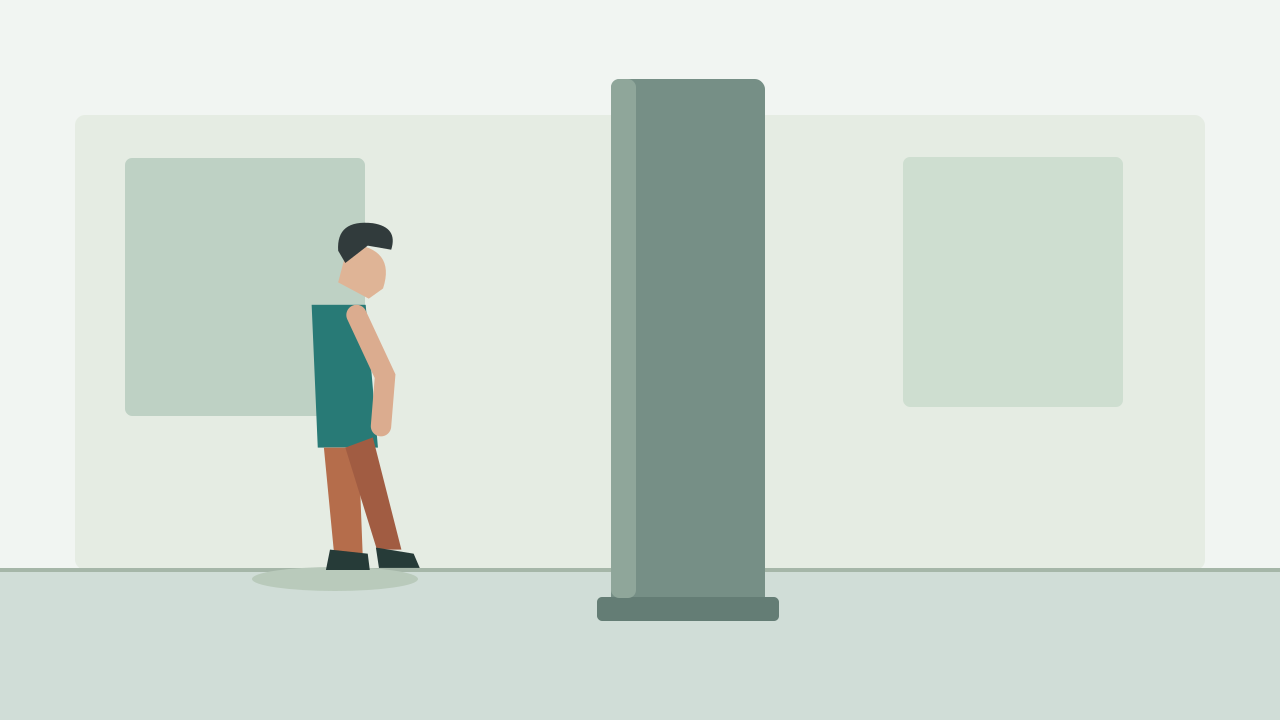
Download the input image below and upload it manually in the generator; the button carries the prompt.
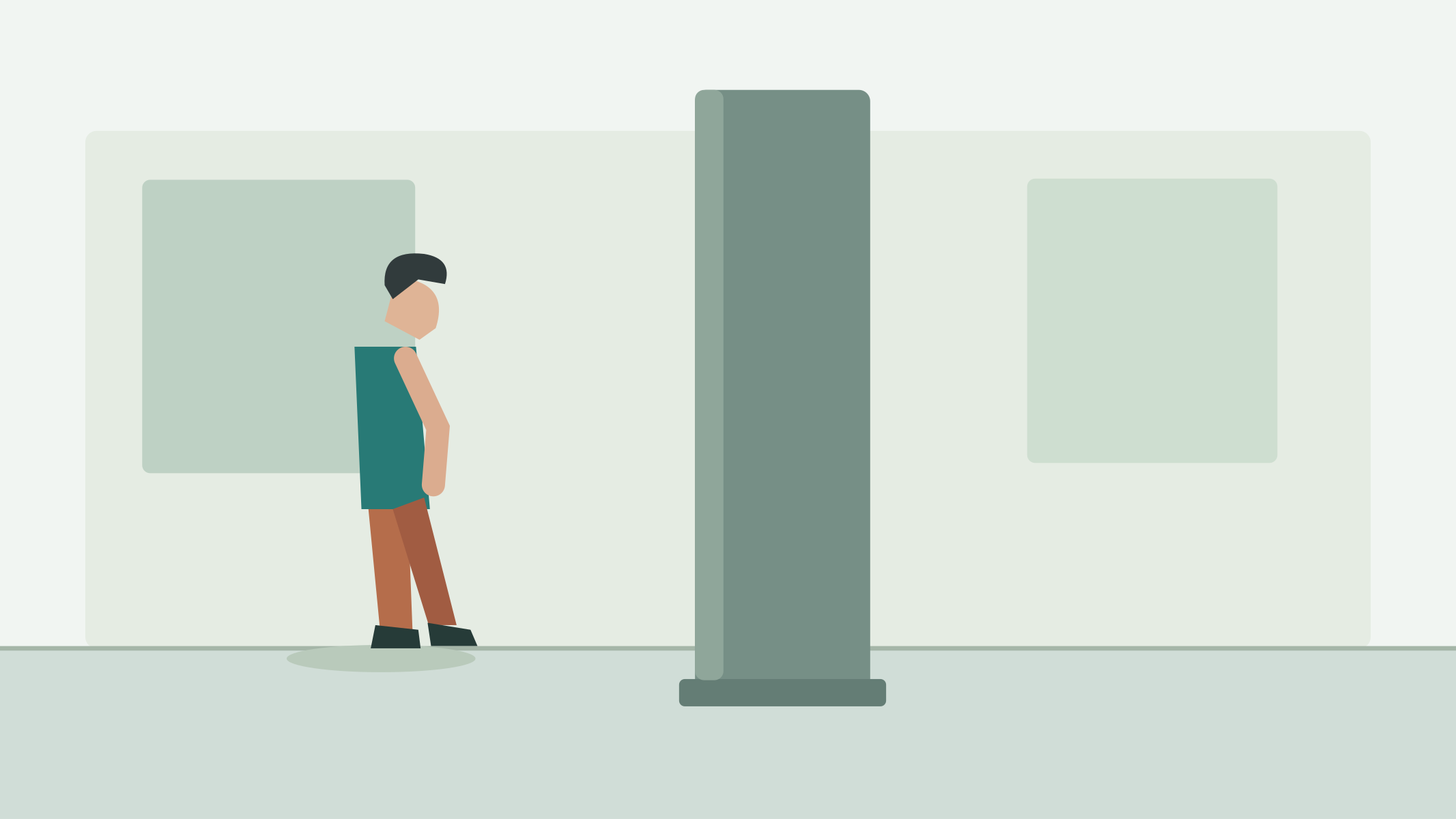
Start from the uploaded scene. The single fictional adult in the teal coat walks at an even pace toward frame right, passes behind the fixed foreground column once, and reappears on its right side. The column occludes the adult naturally rather than becoming transparent. Keep the same short dark hair, teal coat, rust trousers, body proportions and shoes before and after cover. The floor, column and camera remain stationary. Continue a short distance to frame right and end with the adult fully visible, without turning around or creating another person.
Before the adult reaches the column, compare head outline, coat hem and shoes to the source. A mismatch already present before cover should not be attributed to reappearance.
Follow the body as it disappears behind the column’s left edge. The column should cover visible parts in sequence instead of slicing, stretching or dragging them along its surface.
The hidden region supplies no visible anatomy to inspect. Check only that the column remains opaque, fixed and intact; do not mark hidden identity details as verified.
At the first clear view on the right, compare the recorded coat, hair and shoe shapes, then watch the entire exit for a duplicate or sudden scale change.
Change only the count-and-continuity sentence to one continuous adult; compare the earliest reappearing shoulder rather than accepting a plausible ending.
Strengthen only the occluder’s opaque fixed role. Keep walking speed unchanged so the same cover interval can be checked.
Shorten only the covered interval by reducing the column width in an authorized replacement input, or choose a slower partial-edge test. Do not change clothing and path together.
End with the adult fully on the right and save before-cover and after-cover observations. Mark the concealed interval as occluded rather than treating it as evidence of unseen identity continuity.