The whole box lifts or slides
Make the base-to-table contact the fixed role and remove words suggesting a reveal, lift or floating product. Retry the opening alone before adding camera motion.
MiniMax H3 · Original practice template
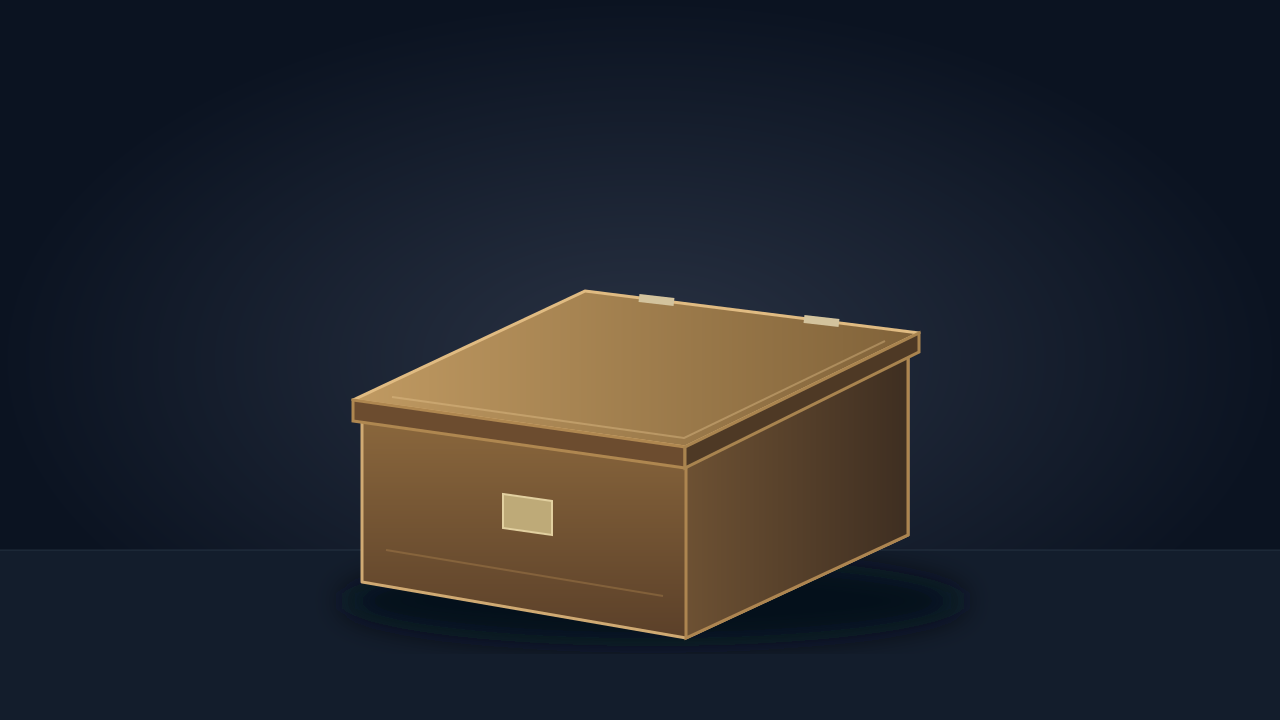
A first-frame practice for opening a hinged lid. Define the fixed base, the hinge line and the final open state; diagnose sliding bases, detached lids and invented interiors.
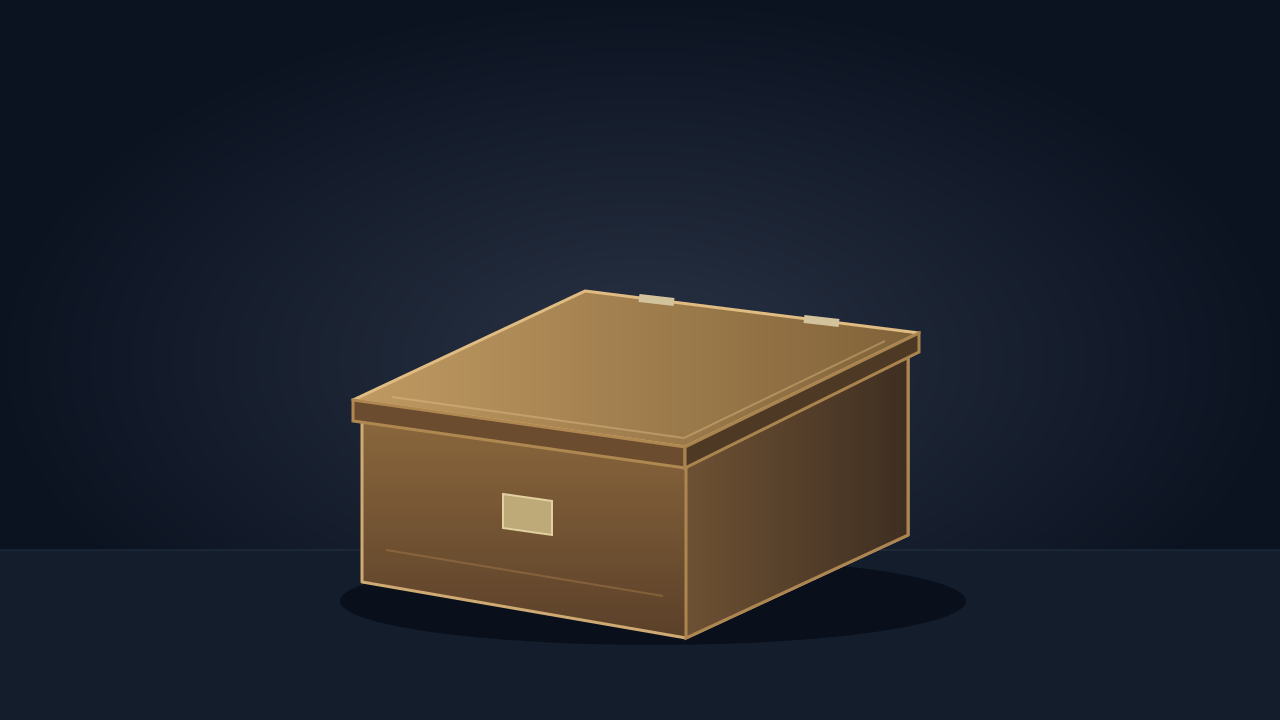
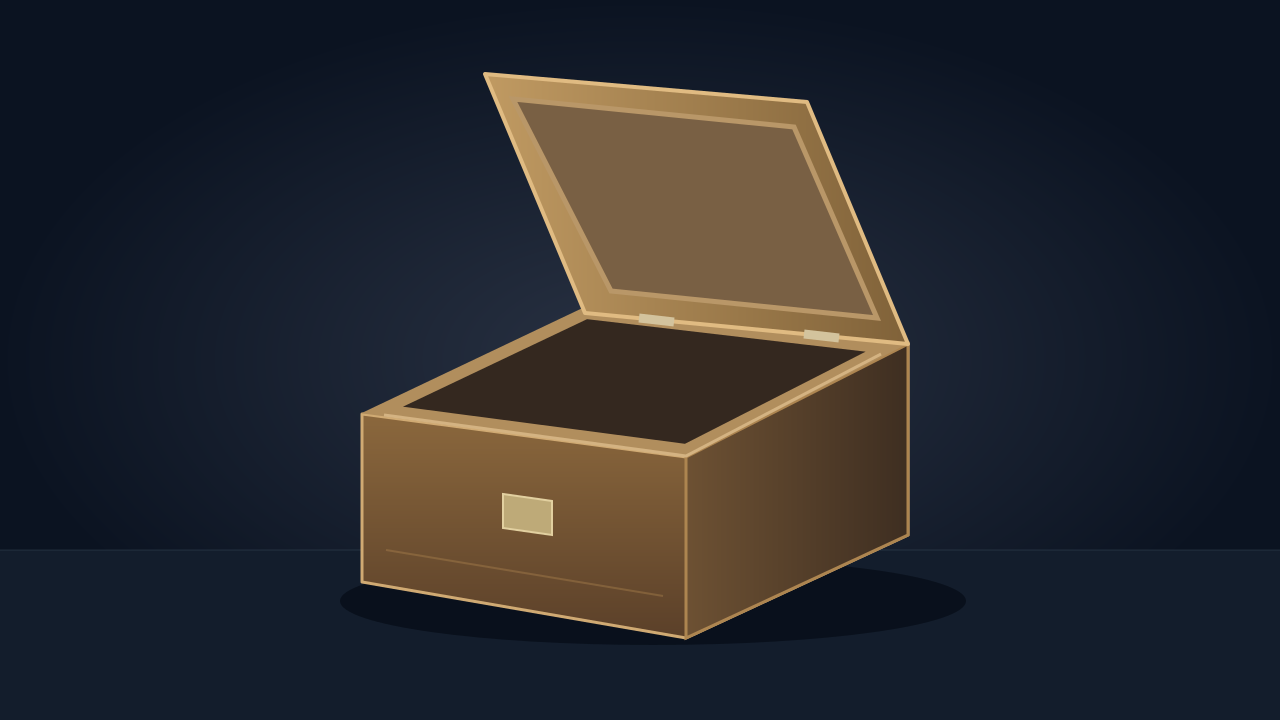
Describe a single lid-opening action with a stationary base. The illustrated start and optional end-state drawing are a planning pair, not evidence of a tested animation or a claim of mechanical simulation.

Start from the uploaded image. Keep the box base fixed on the tabletop and keep the camera stationary. Only the lid opens slowly, turning upward around the back hinge line as one connected rigid piece. The base keeps its original size, orientation and contact with the table. The visible interior stays simple and empty. The lid reaches a clearly open position and pauses there without detaching or continuing to turn. No new contents, no camera movement, no added writing.Download the prompt text
Name the base as fixed, the lid as moving and the rear hinge line as the pivot. Describe one action, not an explosion of parts. Check that the input makes these relationships visible enough to judge.
Request a slow opening and a pause in a clearly open position. Keep the camera stationary for the first attempt. The separate end-state illustration helps you agree on the pose; it does not establish an exact rotation angle or a guaranteed final frame.
Pause while the lid crosses the rim. Look for a moving hinge, a disappearing side wall or objects appearing inside. Compare what is visible in the output with what your input actually supplies, especially when using a photo of a closed package.
If the base slides, revise its fixed-contact instruction while keeping the same action. If the hinge detaches, simplify the opening request. If the interior must reproduce a product exactly, switch to an input plan that contains that interior or use real footage instead of inventing details.
Make the base-to-table contact the fixed role and remove words suggesting a reveal, lift or floating product. Retry the opening alone before adding camera motion.
Describe one connected lid turning around the rear hinge line. Reduce the motion request and compare the same transition; more detailed hinge terminology may add objects instead of fixing the connection.
State that the visible interior is simple and empty. For an exact real interior, change the source plan rather than repeatedly asking the model to guess what a closed box contains.
Put the open pause explicitly at the end of the action. Remove requests for a seamless loop if the required deliverable is an opening shot.
Finish with the base still on the table and the lid visibly open. Keep the start image and the open-state drawing together as a briefing pair; record whether the final clip passed the hinge and interior checks.
This page provides an original prompt, input illustration and review method. A corresponding generated result has not been independently produced. The illustration is a practice input.